Loading...
Pokémon TCG Pocket doesn’t just reuse some artworks from older sets, it also revives classic mechanics, attacks, and abilities. In this article, we explore the throwbacks in Shining Revelry and how they compare to their original counterparts.
Shiny Pokémon in the TCG
What's a Shiny Pokémon?
Shiny Pokémon are variants of Pokémon with a different color palette than usual. They were first introduced in Generation 2, with the iconic Red Gyarados from the Lake of Rage as the most memorable example.
Each time you encounter a Pokémon, there’s a tiny chance (1 in several thousand) that it’ll be shiny. Besides the difference in color, you’ll notice it from sparkling stars and a distinct sound effect at the beginning of the encounter.

Shiny hunters communities gather players looking for these very rare Pokémon. Common hunting techniques include resetting the game before battling Legendaries until you luck out, or use advanced breeding techniques to increase the odds of getting a shiny Pokémon.
In the TCG, Shiny Pokémon have appeared both as game mechanics and as cosmetic variants.
As a mechanic
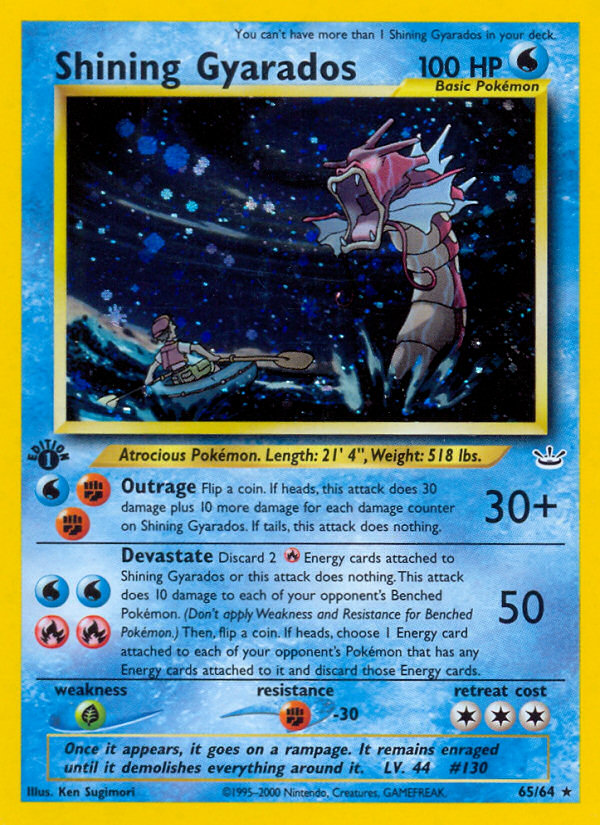
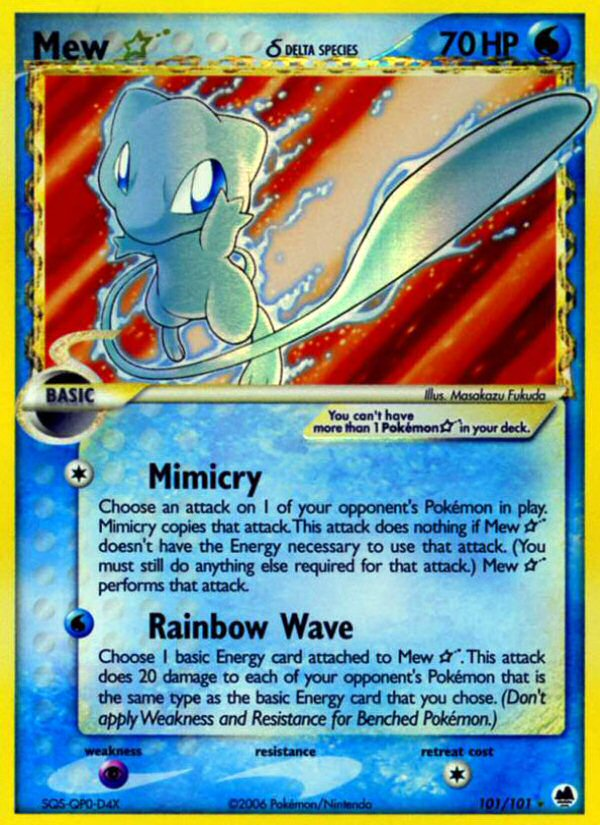
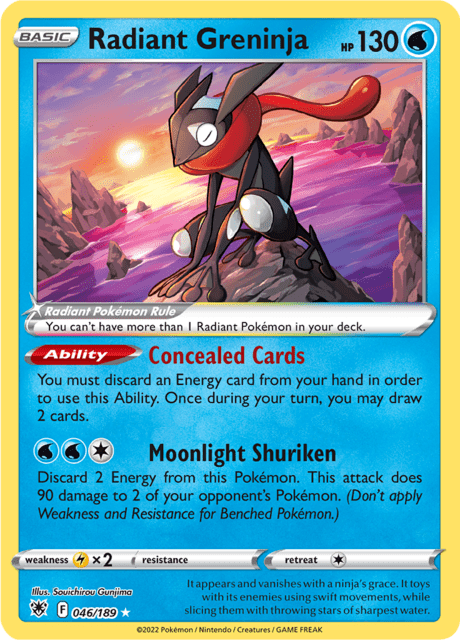
Mechanically, Shiny Pokémon have appeared under different names: Shining, Star, and Radiant. In all cases, only one copy is allowed per deck.
Shining Magikarp and Shining Gyarados were the first Shining Pokémon printed, debuting in Neo Revelation, the third Johto expansion. Years later, Pokémon Star reintroduced shiny mechanics. Much more recently, Radiant Pokémon appeared, starting in Astral Radiance up to Crown Zenith (2022-2023).
As a cosmetic
These cards don't include “Shiny” in their names and have been handled differently over time.
- The first shiny card without any special mechanic was Gyarados from HeartGold & SoulSilver (2010). Though the set included a standard Gyarados, this version featured different attacks from the regular.
- Later, shiny cards were either alternate artworks of regular cards or unique cards with no standard counterpart. Regardless, they were all Secret Rares with low pull rates.
- Since Guardians Rising, shiny Pokémon are alternative artworks of regular cards, similar to how cards relate to cards, and how cards compare to lower rarities.
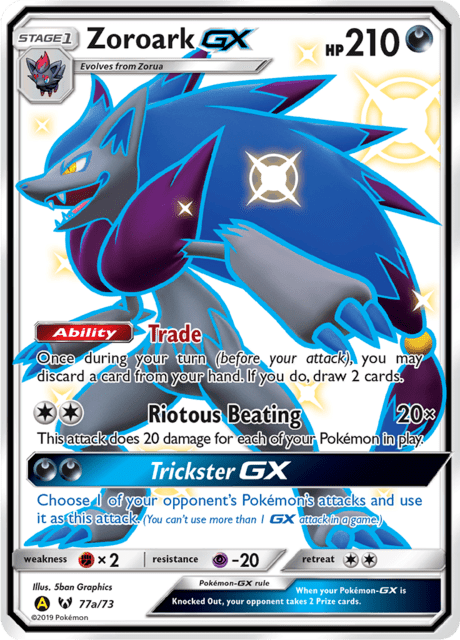
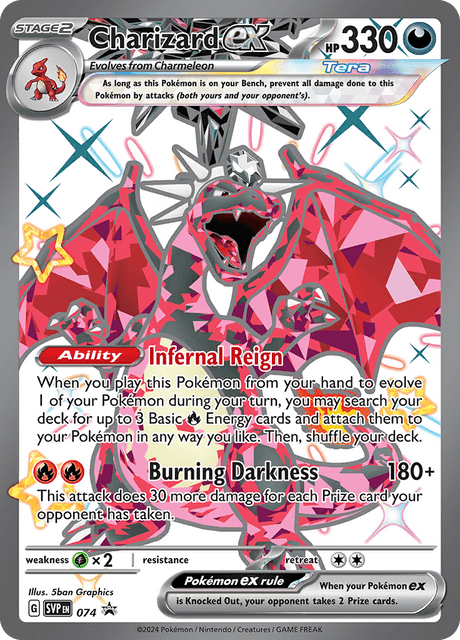
Pokémon TCG Pocket follows this cosmetic trend and mirrors its visual style: shiny regular Pokémon have a white background with stars and a distinct art style, while shiny Pokémon ex use the same background but with CGI art.
The rarity system also mirrors the mainline TCG: Shiny for regular Pokémon, Shiny Super Rare for Pokémon ex. The pull rate for cards is lower than , while cards are slightly rarer than .
Gold items
With Shining Revelry, Pokémon TCG Pocket introduces the first item card: Poké Ball, arguably the most iconic and important item in the game.

Gold cards first appeared in Dark Explorers (2012), with Pokémon Catcher as the debut. These featured a golden border, a gold-tinted palette, and a matching background. They usually represented staple items like Ultra Ball, Switch, or Rare Candy, and always featured CGI artwork.
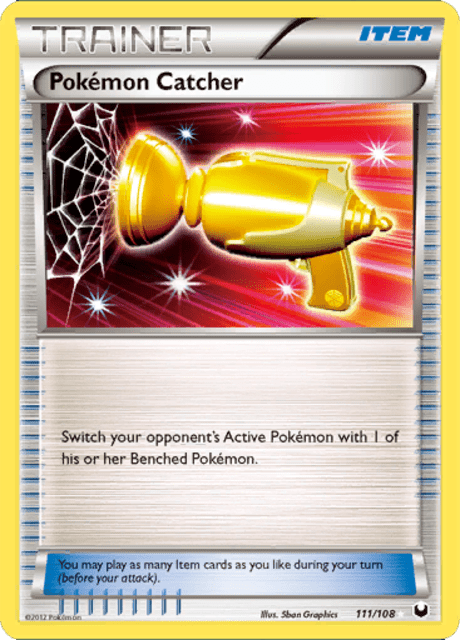
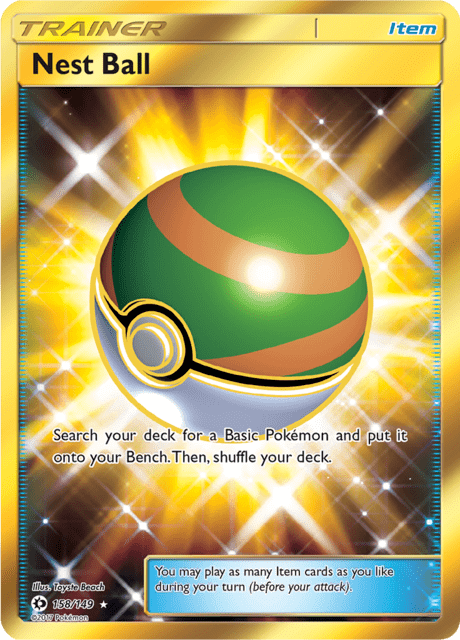
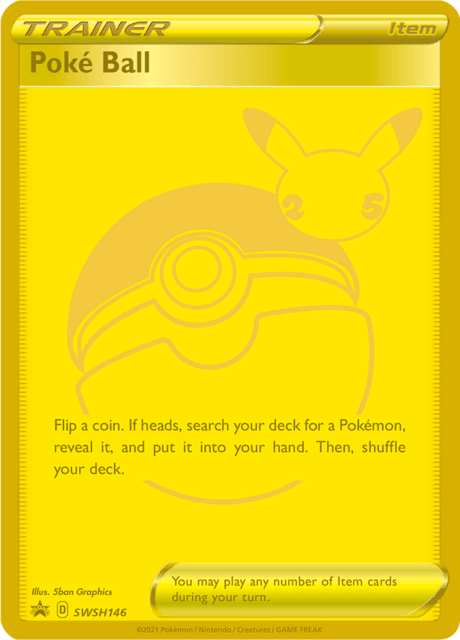
Though they appeared sporadically at first, they became more consistent starting in Sun & Moon (2017), which not only redesigned their appearance but also expanded the number of Gold cards per set. The cards in TCG Pocket are largely modeled after this iteration.
Ironically, Poké Ball didn’t get a gold variant until 2021, in the Celebrations Ultra-Premium Collection. Then again, it's not too surprising: Poké Ball has never been a particularly strong card in competitive TCG play.
Giratina ex's Broken-Space Bellow
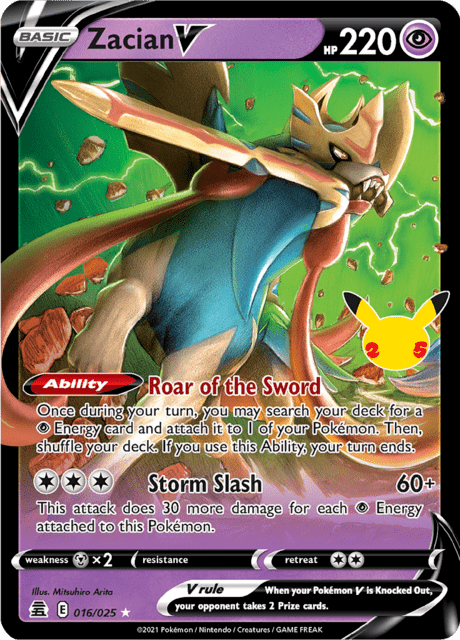
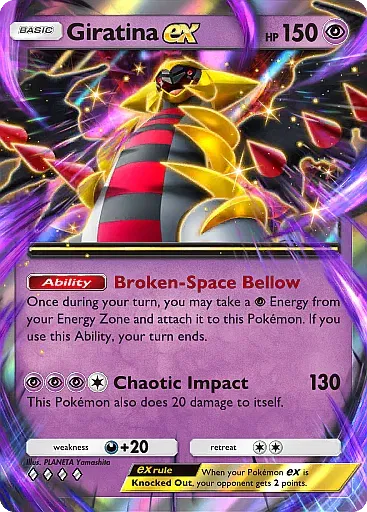
Giratina ex is currently wrecking havoc in Pokémon TCG Pocket with its Broken-Space Bellow ability, the first energy-acceleration ability on a Basic Pokémon. It strongly echoes Zacian V’s Roar of the Sword from Celebrations (2021), attaching a Energy at the cost of ending your turn. However, Zacian V could attach to any Pokémon, not just itself, and the Energy came directly from the deck for lack of an Energy zone.
Meowscarada's Rising Bloom
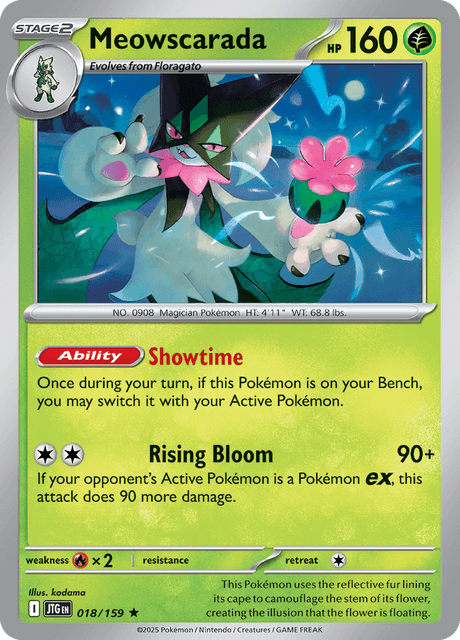
The new Pokémon EX bully didn't come alone. Released just a day after Shining Revelry, the Journey Together TCG set also introduced a Meowscarada whose Rising Bloom attack becomes more powerful if the opponent’s Active Pokémon is a Pokémon ex.
In Pokémon TCG Pocket, there’s a clear trend: attacks that deal extra damage to Pokémon ex usually start with “Fighting,” like Tauros’ Fighting Tackle, Sudowoodo’s Fighting Headbutt, and now Meowscarada’s Fighting Claws.

Charizard Ex's Stoke
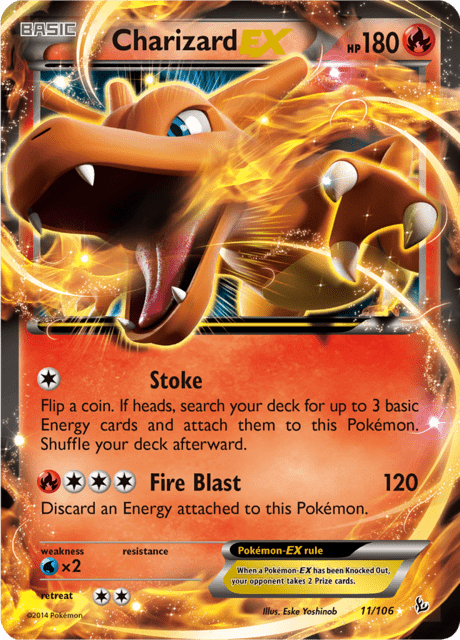
You can’t look at Charizard ex from Shining Revelry without thinking of Charizard ex from Flashfire (2014). Both have two attacks, with Stoke as the setup move into a stronger one.
This comparison is a good indication on the level of power creep in TCG Pocket. The original Stoke required a coin flip, and Fire Blast demanded discarding an Energy every turn. Even tho vastly improved, the newer Charizard ex (SR) has yet to outshine the tried-and-true Charizard ex from Genetic Apex.

Gholdengo's Scintillating Surfing
Gholdengo is certainly one of the funniest Pokémon of the Paldea region, introduced in generation 9 with Pokémon Scarlet & Violet. It evolves after collecting 999 coins from Gimmighoul, a gimmick reflected in Pokémon TCG Pocket, where a secret mission grants a Gholdengo emblem.
Its body is made of coins, and it uses them to create a surfboard, seemingly its main method of movement. This is referenced in its Scintillating Surfing attack, which first appeared in the Paldean Fates print (2024).
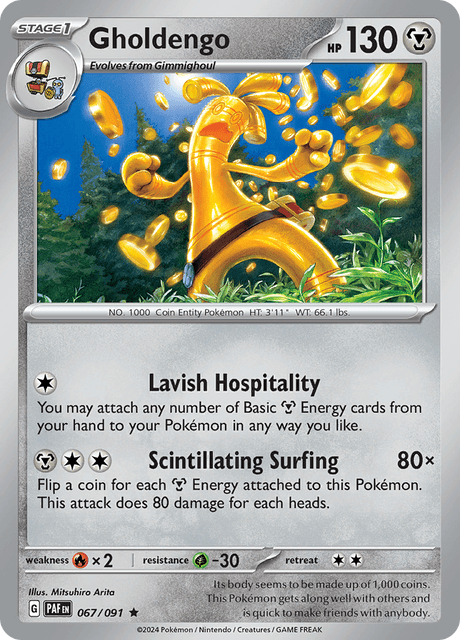

Both versions share a coin-flip effect, fitting for a coin-made Pokémon. Sadly, the TCG Pocket version is weaker, dealing damage in multiples of 50 instead of 80.
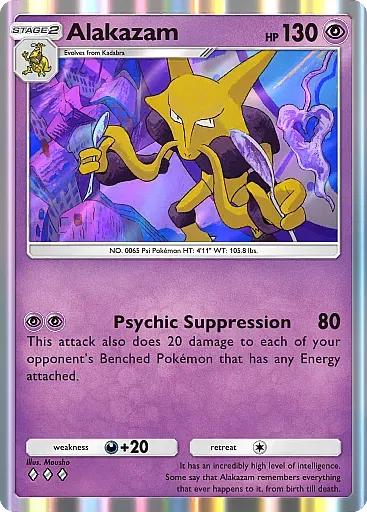
Alakazam's Psychic Suppression
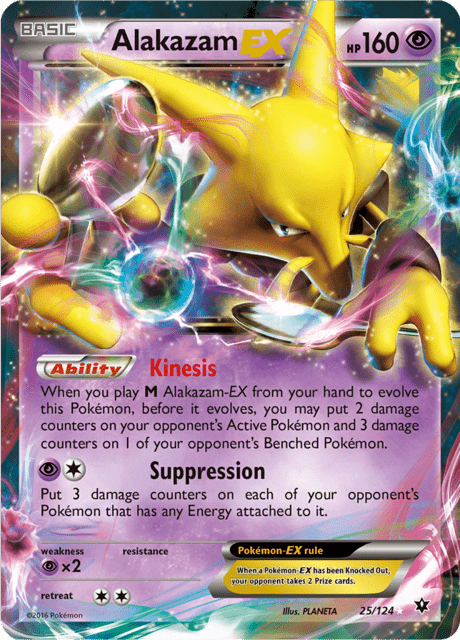
Alakazam's Psychic Suppression isn’t the first bench-splash attack, but it's one of the most surprising. It hits the Defending Pokémon for 80, and deals 20 to any Benched Pokémon with Energy attached, a great deal for a Energy cost.
Its inspiration is Alakazam ex’s Suppression from Fates Collide, which places 3 damage counters (30 damage) on all opponent's Pokémon with Energy and no base damage at all.
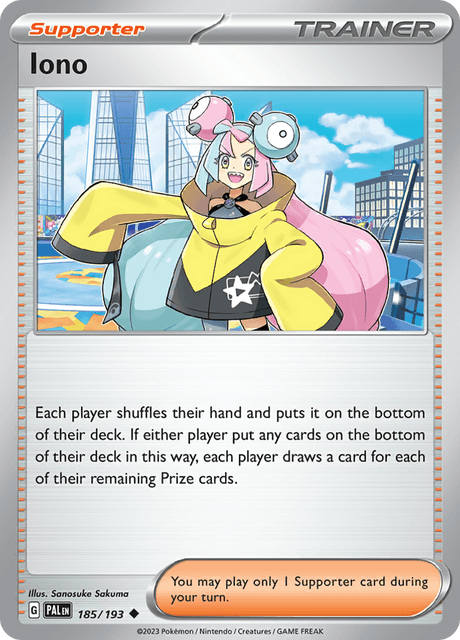
Iono
Iono has been a staple since debuting in Paldea Evolved (2023). Both players shuffle their hands into their decks (or to the bottom), and redraw based on how many Prize cards they have left. It’s a comeback mechanic that punishes players who are too far ahead.
While this effect would be overpowered in TCG Pocket, it's not entirely impossible to see it one day. Mars already interacts with the opponent’s hand based on how many Points they need to win.

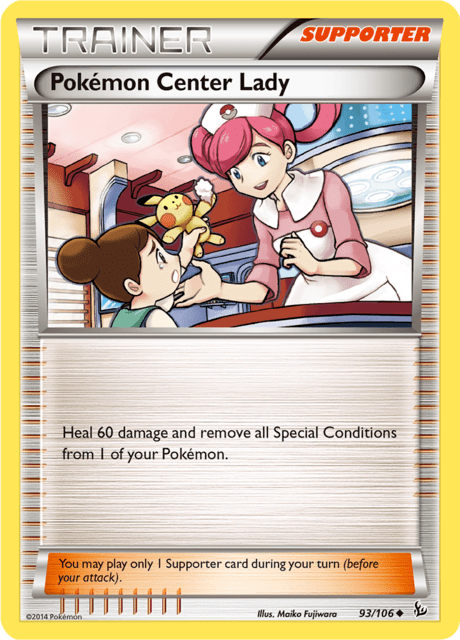
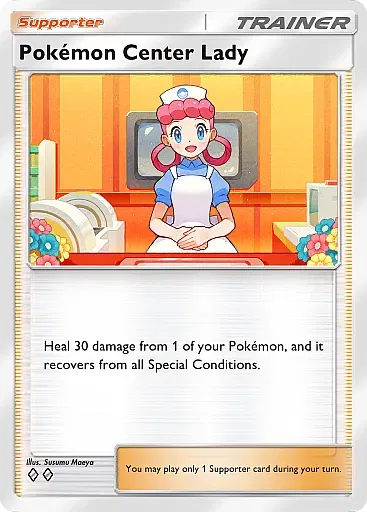
Pokémon Center Lady
The not-quite-Nurse-Joy card shares its name with its TCG counterpart, which first appeared in Flashfire (2016) and can be seldom seen in the real card game. In there, the card heals twice as much damage compared with Pokémon TCG Pocket, on top of the baseline status condition heal. But then again, aren’t Pokémon Centers supposed to fully heal the whole team anyway?